
Currently Empty: $0.00




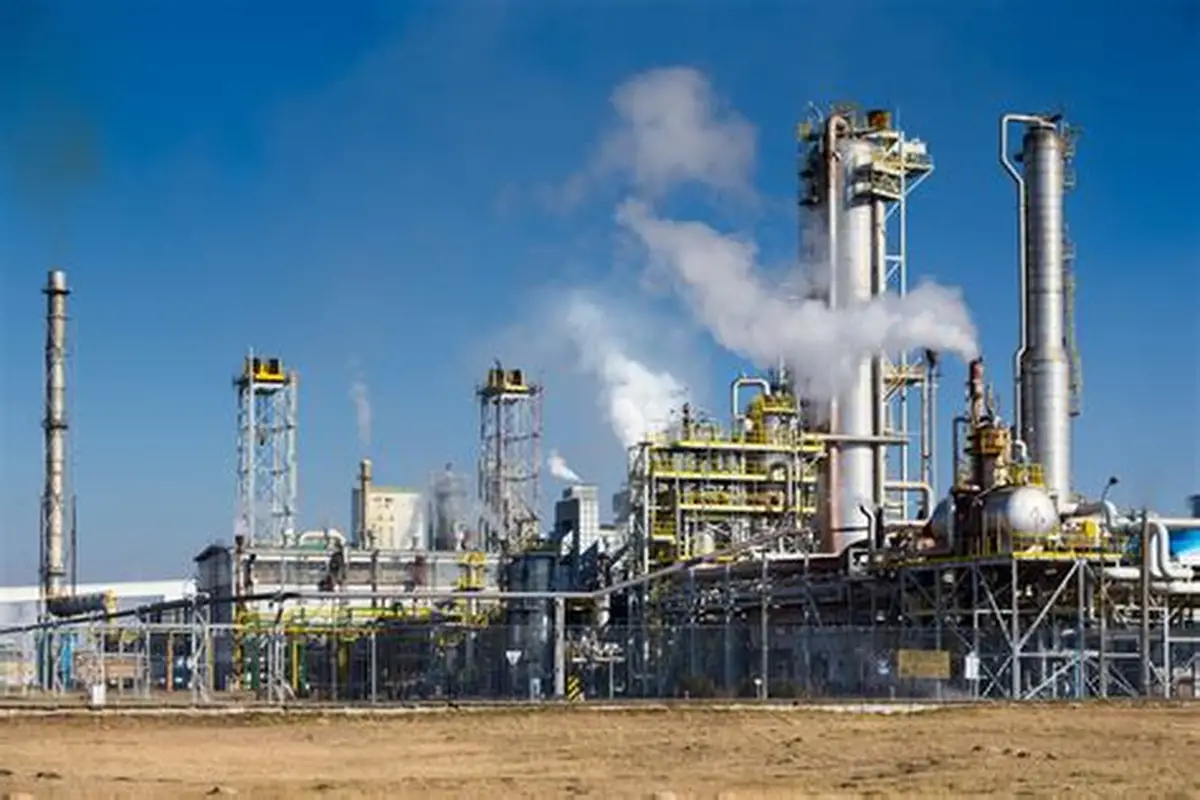
Oil refineries rely on a wide range of chemicals – over 150 different types – to process crude oil into fuels and petrochemical feedstocks. The most critical ones include corrosion inhibitors, demulsifiers, catalysts, and additives that ensure efficiency, safety, and product quality.
| Chemical Type | Main Function | Example Use Case |
|---|---|---|
| Corrosion Inhibitors | Protect equipment | Prevent H₂S-induced corrosion |
| Demulsifiers | Separate oil & water | Improve crude oil purity |
| Catalysts | Drive refining reactions | Cracking crude into gasoline |
| Additives | Enhance product performance | Improve diesel cold flow |
| Biocides/Scale Inhibitors | Maintain water systems | Prevent microbial growth & scaling |
Refineries depend on specialized chemicals at every stage – from crude separation to final fuel blending. While they are essential for efficiency and safety, strict handling protocols are necessary to minimize health and environmental risks.
Course Content
Chemicals in refinery
-
Chemicals in refinery
CHEMICALS & HAZARDS
SAFE HANDLING PROCEDURES
SAFETY PRECAUTIONS
A course by
Student Ratings & Reviews

No Review Yet
Course Includes:
- Price:Free
- Instructor:jabharathsefoundation
- Duration:
 Lessons:9
- Students:2
- Level:All Levels
Courses You May Like
Beginner
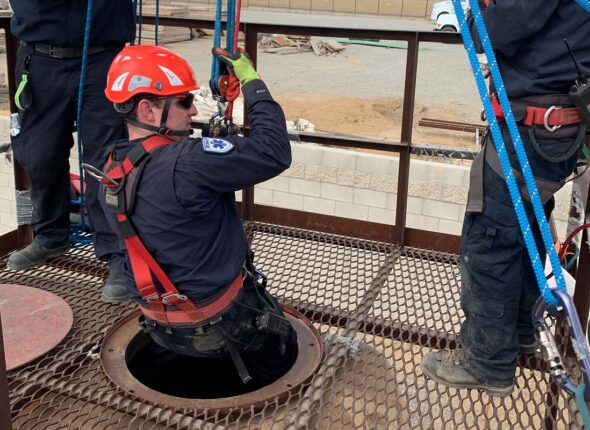
Confined Space Entry
Free
Confined Space Entry refers to the process of safely entering...
Enroll Now
Beginner
Contractor Job Safety – Evaluation / Competition
Free
To promote a culture of safety among contractors by evaluating...
Enroll Now
Beginner
Construction Safety
Free
Construction safety refers to the practices, standards, and precautions taken...
Enroll Now
Intermediate
Contractors Loss Prevention Program
Free
A Contractors Loss Prevention Program is a structured risk management...
Enroll Now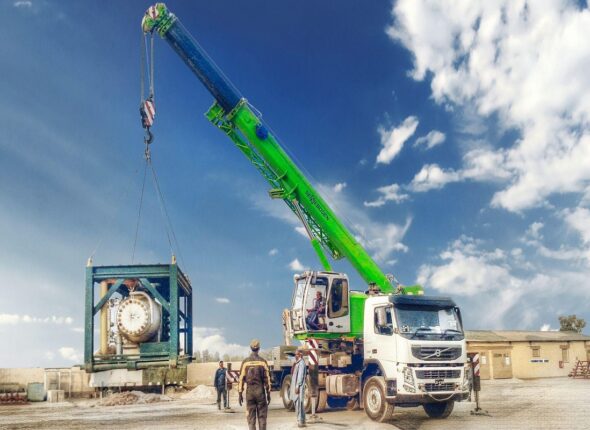
All Levels
Crane Safety
Original price was: $100.00.$75.00Current price is: $75.00.
Crane safety is about preventing accidents during lifting operations by...
Enroll Now
Beginner
Area Classification
Free
Hazardous area classification divides industrial spaces into zones based on...
Enroll Now
All Levels
Contractor Safety Management
Free
Contractor Safety Management (CSM) is a structured system that ensures...
Enroll Now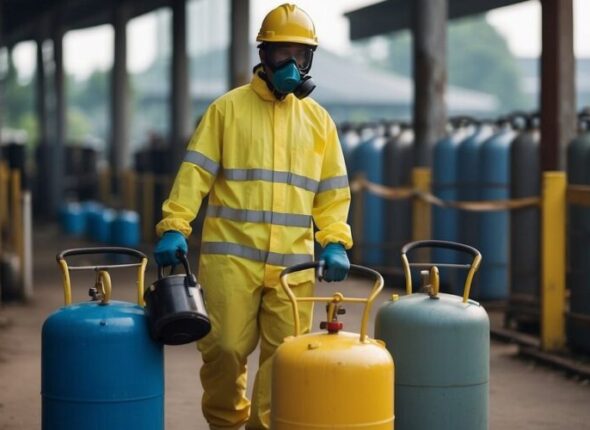
Intermediate
Handling of Compressed Gas Cylinders
Free
Compressed gas cylinders must always be handled with extreme care...
Enroll Now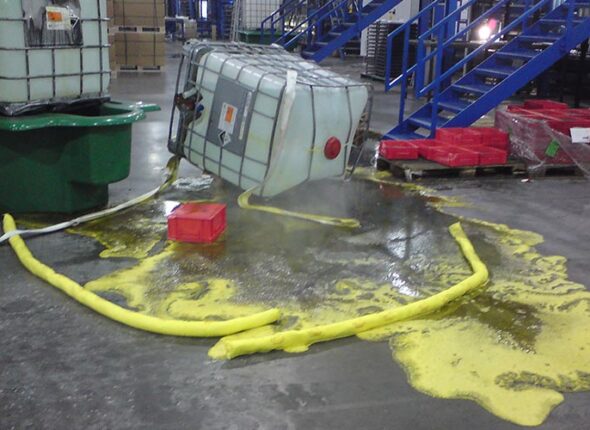
All Levels
Chemical Spills
Free
Chemical Spill refers to the accidental release of a chemical...
Enroll Now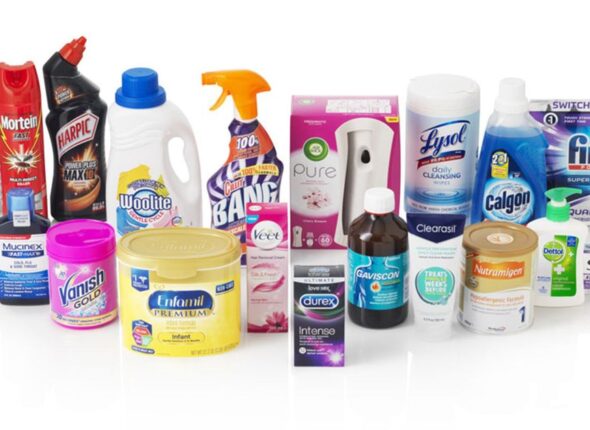
Beginner
Household Chemical Safety
Free
Household chemical safety refers to the safe handling, storage, use,...
Enroll Now
All Levels
Chemical Solvents
Free
Chemical solvents are substances - most often liquids - that...
Enroll Now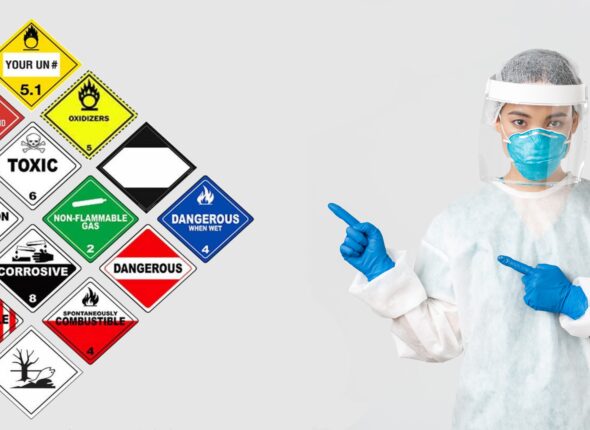
All Levels
Chemicals Safely
Original price was: $80.00.$50.00Current price is: $50.00.
Any substance which has a potential for harm is a...
Enroll Now
Beginner
Back Safety & Lifting
Free
Back safety and proper lifting techniques are essential for preventing...
Enroll Now
Beginner
Accident Investigation
Free
Accident investigation is the systematic process of examining the causes,...
Enroll Now
All Levels
Basics of Loss Prevention
Original price was: $125.00.$100.00Current price is: $100.00.
The Basics of Loss Prevention course introduces learners to the...
Enroll Now