
Currently Empty: $0.00




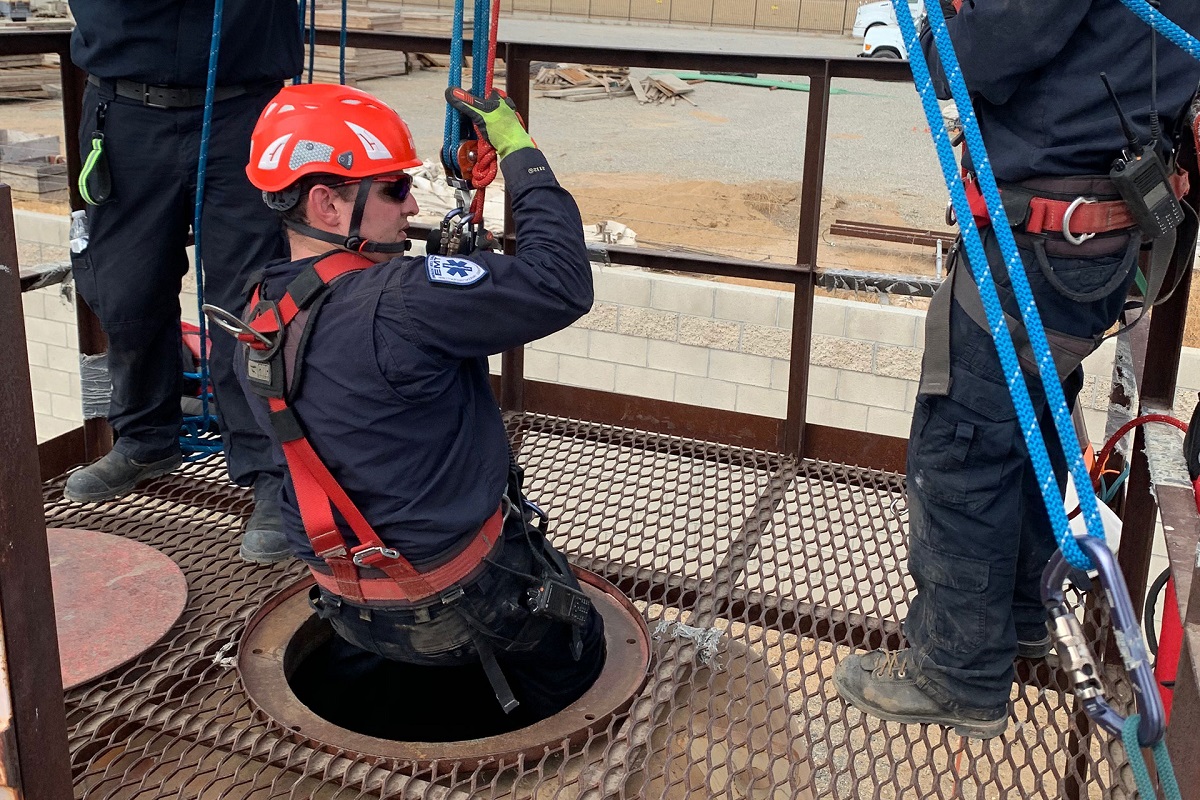
Confined Space Entry refers to the process of safely entering and working in areas not designed for continuous human occupancy, with limited entry/exit points and potential hazards such as toxic atmospheres, engulfment, or restricted movement. It requires strict safety procedures, permits, and monitoring to protect workers.
-
Definition: An area large enough for a worker to enter and perform tasks but not designed for continuous occupancy and with restricted entry/exit.
-
Examples: Tanks, silos, storage bins, vaults, pits, manholes, tunnels, pipelines, and ductwork.
Hazards in Confined Spaces
-
Atmospheric risks: Oxygen deficiency, toxic gases (e.g., carbon monoxide, hydrogen sulfide), or flammable vapors.
-
Physical risks: Engulfment, entrapment, falls, or restricted movement.
-
Environmental risks: Heat stress, poor visibility, or noise.
Course Content
CONFINED SPACE ENTRY
-
OVERVIEW
-
INTRODUCTION
-
WHAT IS A CONFINED SPACE?
-
EXAMPLES OF CONFINED SPACES
-
HAZARDS IN CONFINED SPACES
-
HAZARDS IN CONFINED SPACE
-
Safe Work Practices & Procedures
-
Isolation Procedures
-
Isolation Procedures
-
PROPER VENTILATION
-
PROPER VENTILATION
-
Images of Proper Ventilation
-
PROPER LIGHTING
-
PROPER LIGHTING
-
WORK PERMIT PROCEDURES
-
Gas Testing Requirement
-
Gas Testing Requirement
-
Responsibilities
-
Responsibilities Confined Space Entry Supervisor (Issuer)
-
Responsibilities Stand-by Man
-
Responsibilities Entrant
-
Responsibilities Safety/Loss Prevention
-
PPE – BREATHING APPARATUS
-
PPE – OTHERS
-
FIRE FIGHTING EQUIPMENT
-
CHECKLISTS AND LOG SHEETS
-
Confined Space Entry Checklist
-
Confined Space Entry Log
-
Confined Space Gas Test Log
-
Vessel Closure Safety Checklist
-
Summary of Requirements Prior to CSE
-
CONCLUSION
-
REFERENCES
-
Thank You
A course by
Student Ratings & Reviews

No Review Yet
Course Includes:
- Price:Free
- Instructor:jabharathsefoundation
- Duration:
 Lessons:34
- Students:0
- Level:Beginner
Courses You May Like

Beginner
Contractor Job Safety – Evaluation / Competition
Free
To promote a culture of safety among contractors by evaluating...
Enroll Now
Beginner
Construction Safety
Free
Construction safety refers to the practices, standards, and precautions taken...
Enroll Now
Intermediate
Contractors Loss Prevention Program
Free
A Contractors Loss Prevention Program is a structured risk management...
Enroll Now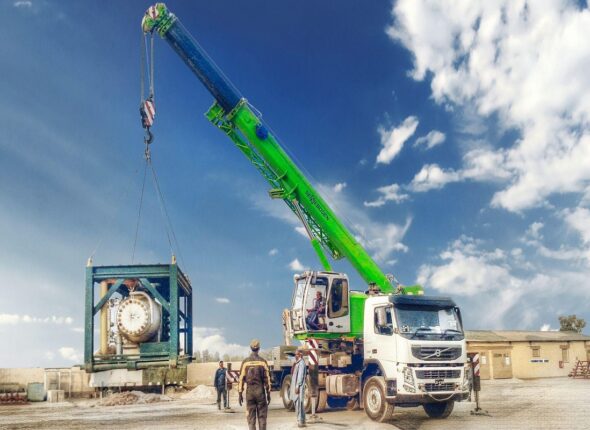
All Levels
Crane Safety
Original price was: $100.00.$75.00Current price is: $75.00.
Crane safety is about preventing accidents during lifting operations by...
Enroll Now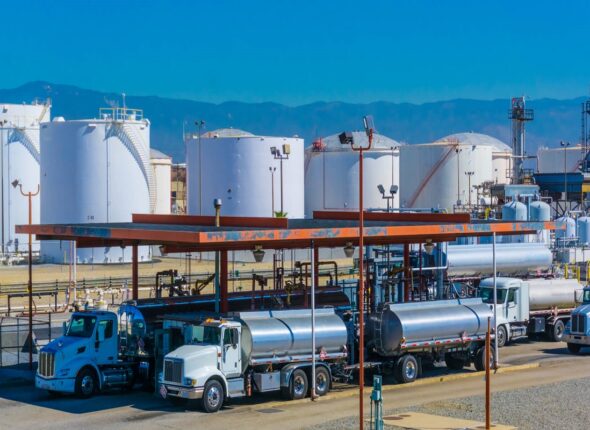
Beginner
Area Classification
Free
Hazardous area classification divides industrial spaces into zones based on...
Enroll Now
All Levels
Contractor Safety Management
Free
Contractor Safety Management (CSM) is a structured system that ensures...
Enroll Now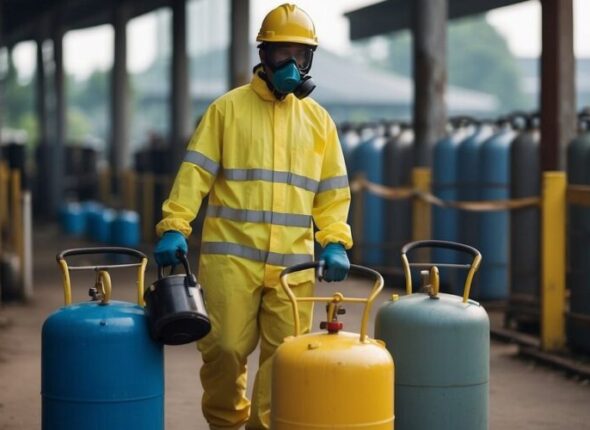
Intermediate
Handling of Compressed Gas Cylinders
Free
Compressed gas cylinders must always be handled with extreme care...
Enroll Now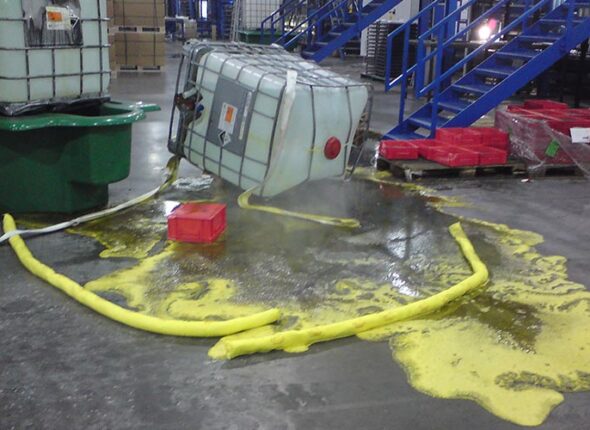
All Levels
Chemical Spills
Free
Chemical Spill refers to the accidental release of a chemical...
Enroll Now
Beginner
Household Chemical Safety
Free
Household chemical safety refers to the safe handling, storage, use,...
Enroll Now
All Levels
Chemical Solvents
Free
Chemical solvents are substances - most often liquids - that...
Enroll Now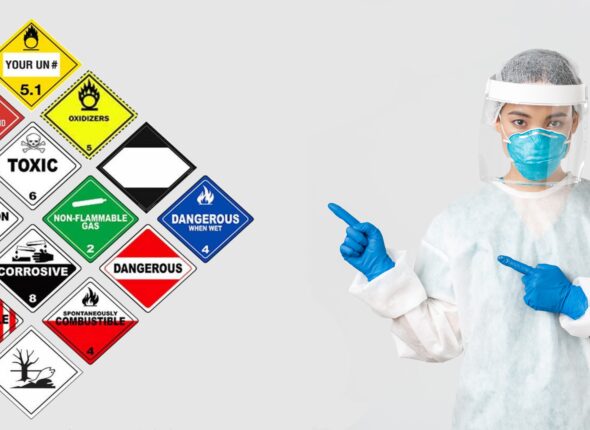
All Levels
Chemicals Safely
Original price was: $80.00.$50.00Current price is: $50.00.
Any substance which has a potential for harm is a...
Enroll Now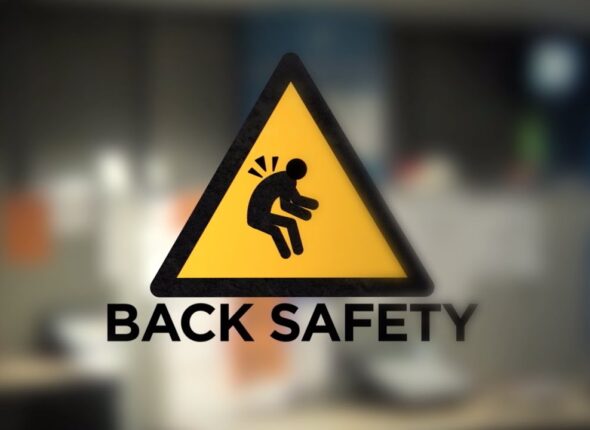
Beginner
Back Safety & Lifting
Free
Back safety and proper lifting techniques are essential for preventing...
Enroll Now
Beginner
Accident Investigation
Free
Accident investigation is the systematic process of examining the causes,...
Enroll Now
All Levels
Basics of Loss Prevention
Original price was: $125.00.$100.00Current price is: $100.00.
The Basics of Loss Prevention course introduces learners to the...
Enroll Now