
Currently Empty: $0.00




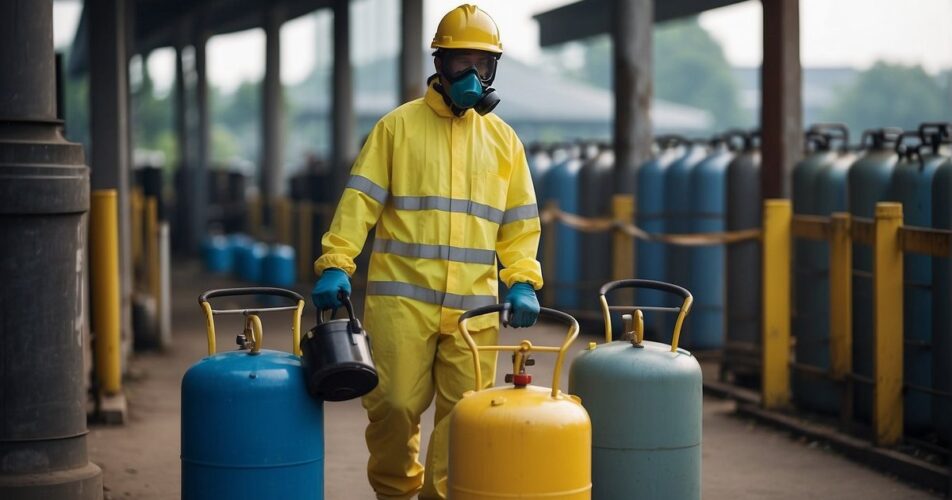
Compressed gas cylinders must always be handled with extreme care – secure them properly, keep protective caps on when not in use, and store them upright in well‑ventilated areas away from heat or ignition sources. Mishandling can lead to leaks, explosions, or severe injuries.
General Handling
-
Always transport cylinders upright using a cylinder cart with straps or chains.
-
Never drag, roll, or drop cylinders—physical damage can compromise integrity.
-
Keep valve protection caps on when cylinders are not in use.
-
Use proper regulators and equipment designed for the specific gas type.
-
Open valves slowly to avoid sudden pressure surges.
Storage Requirements
-
Secure cylinders with chains or straps at two‑thirds height to prevent tipping.
-
Store upright in a cool, dry, well‑ventilated area.
-
Separate flammable gases (e.g., hydrogen, acetylene) from oxidizers (e.g., oxygen) by at least 20 feet or with a fire‑resistant barrier.
-
Avoid direct sunlight and heat sources—temperature extremes can increase pressure inside.
-
Label cylinders clearly and group them by type (full, in‑use, empty).
Usage Precautions
-
Check for leaks using approved methods (never with a flame).
-
Never tamper with safety devices like pressure relief valves.
-
Do not use oil or grease on oxygen cylinder valves or regulators—risk of fire/explosion.
-
Close valves tightly when not in use, even if empty.
-
Return empty cylinders with caps on and marked as “empty.”
Course Content
HANDLING OF COMPRESSED GAS CYLINDERS
-
Outline
-
Introduction
-
Segregation
-
Handling Precautions
-
Handling Precautions
-
Handling Precautions
-
Handling Precautions
-
STORAGE
-
Personal Protective Equipment
-
CONCLUSION
-
Thank You
A course by
Student Ratings & Reviews

No Review Yet
Course Includes:
- Price:Free
- Instructor:jabharathsefoundation
- Duration:
 Lessons:11
- Students:0
- Level:Intermediate
Courses You May Like
Beginner
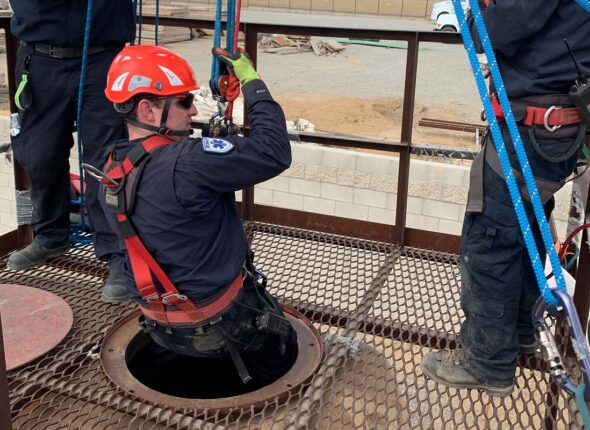
Confined Space Entry
Free
Confined Space Entry refers to the process of safely entering...
Enroll Now
Beginner
Contractor Job Safety – Evaluation / Competition
Free
To promote a culture of safety among contractors by evaluating...
Enroll Now
Beginner
Construction Safety
Free
Construction safety refers to the practices, standards, and precautions taken...
Enroll Now
Intermediate
Contractors Loss Prevention Program
Free
A Contractors Loss Prevention Program is a structured risk management...
Enroll Now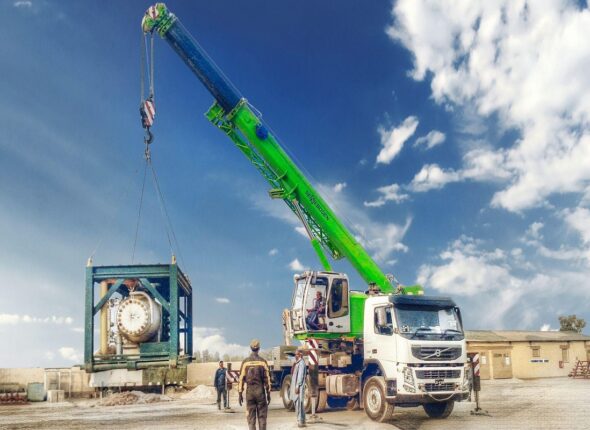
All Levels
Crane Safety
Original price was: $100.00.$75.00Current price is: $75.00.
Crane safety is about preventing accidents during lifting operations by...
Enroll Now
Beginner
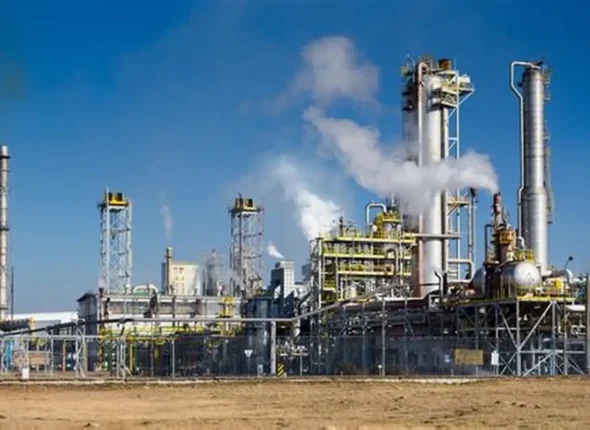
Area Classification
Free
Hazardous area classification divides industrial spaces into zones based on...
Enroll Now
All Levels
Contractor Safety Management
Free
Contractor Safety Management (CSM) is a structured system that ensures...
Enroll Now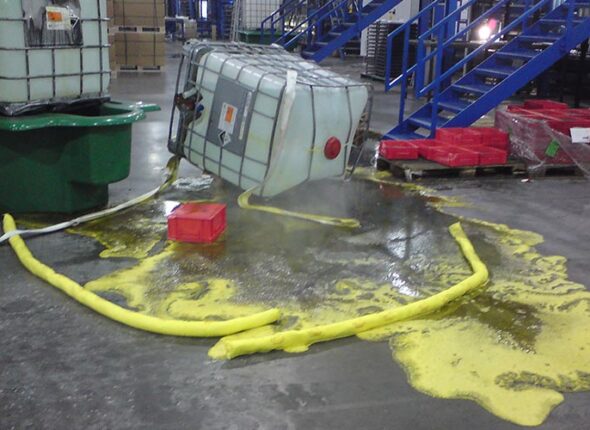
All Levels
Chemical Spills
Free
Chemical Spill refers to the accidental release of a chemical...
Enroll Now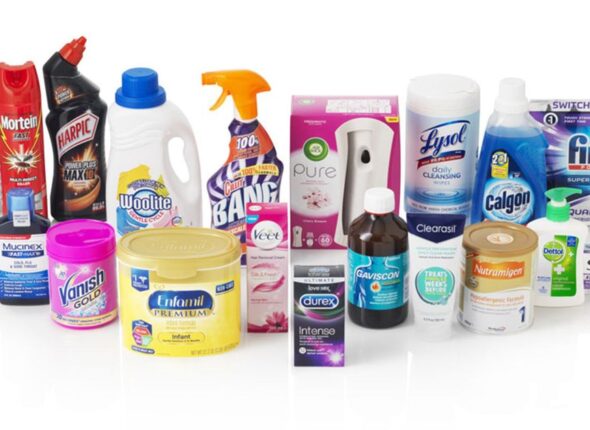
Beginner
Household Chemical Safety
Free
Household chemical safety refers to the safe handling, storage, use,...
Enroll Now
All Levels
Chemical Solvents
Free
Chemical solvents are substances - most often liquids - that...
Enroll Now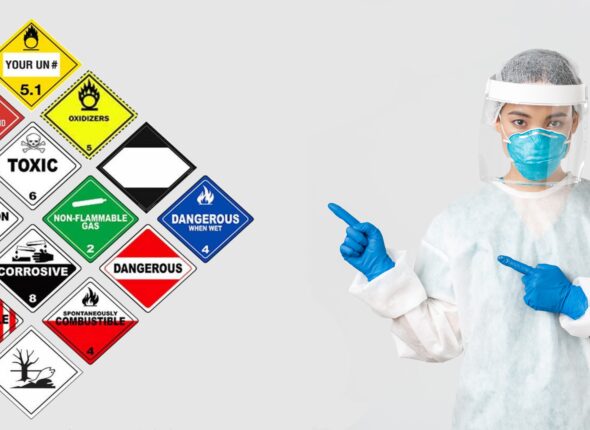
All Levels
Chemicals Safely
Original price was: $80.00.$50.00Current price is: $50.00.
Any substance which has a potential for harm is a...
Enroll Now
Beginner
Back Safety & Lifting
Free
Back safety and proper lifting techniques are essential for preventing...
Enroll Now
Beginner
Accident Investigation
Free
Accident investigation is the systematic process of examining the causes,...
Enroll Now
All Levels
Basics of Loss Prevention
Original price was: $125.00.$100.00Current price is: $100.00.
The Basics of Loss Prevention course introduces learners to the...
Enroll Now